Smart Planning Systems
The planning layer that turns products into a working food system.
This is where the chain is designed rather than assembled: reserves sized correctly, nutrition balanced, logistics efficient, and deployment ready before a crisis begins.
- Stockpile design
- Nutrition optimization
- Logistics efficiency
- Crop planning
- Aid-kit customization
- Emergency deployment
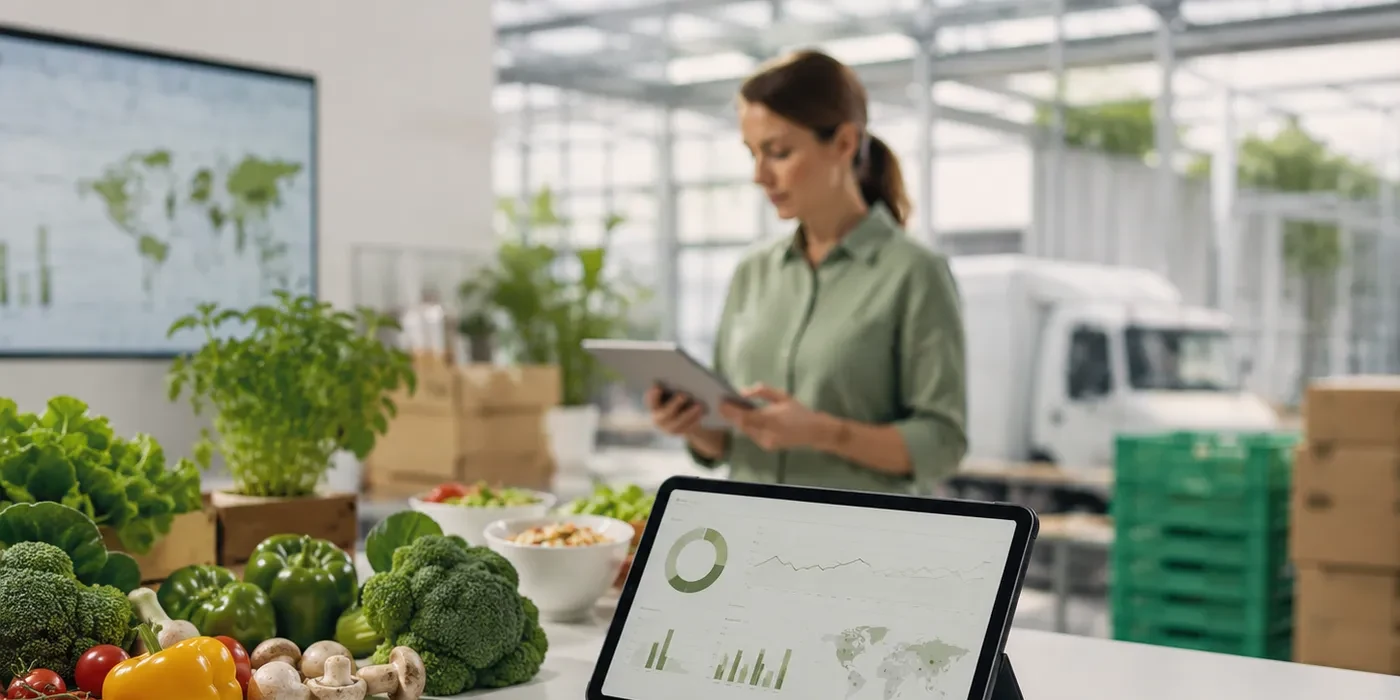
Planning closes the loop back to both pillars: crop planning decides what the Strategic Farming towers grow next season, and demand forecasting decides what Strategic Food produces and holds in reserve.
The intelligence layer between growing and delivering
Every plan starts from four kinds of information, read together rather than one at a time.
- 01
Needs assessment
Who is being fed, in what numbers, and against which nutritional requirements.
- 02
Operational data
What the farms, reserves and delivery routes are actually doing, not what they were designed to do.
- 03
Forecasting
Demand, yield and resource use projected far enough ahead to act on.
- 04
Scenario planning
What the system does when a route closes, a season fails or a population moves.
From individual installations to a coordinated programme
From individual installations to a coordinated programme
Planning turns aeroponic farms from scattered installations into one agricultural programme. Population needs, local demand, environment, available resources and production targets are read together, which lets WeArt support:
- Farm capacity and site planning
- Crop selection according to local demand
- Planting, harvesting and production schedules
- Yield and resource-use forecasting
- Water, nutrient and operational planning
- Market and distribution coordination
- Farm performance and impact measurement
- Expansion planning based on actual results
Communities, governments and commercial operators can then align agricultural production with real food demand, reduce waste, and improve the long-term productivity of their farming systems.
What is required, for whom, in what quantity
Planning answers that against real operating conditions, tying demand to product selection, nutritional requirements, inventory, strategic reserves, storage and distribution. That supports:
- Demand forecasting and supply-gap analysis
- Strategic food-reserve planning
- Product selection for different population groups
- Inventory, expiry and stock-rotation planning
- Storage and replenishment requirements
- Logistics and distribution planning
- Emergency scenarios and contingency plans
- Performance, cost and beneficiary-impact measurement
It also guides the planning and deployment of Freeza® products for humanitarian, emergency, institutional and consumer applications, alongside the Mealo® complementary nutrition range for babies and young children.
Designed around the population, not shipped as one package
A kit built for one community is the wrong kit for the next. WeArt designs each around the specific needs of the people receiving it, weighing:
Together these define the food combination, the quantity, the preparation method and the distribution format each situation actually calls for.
- 01The number and age groups of beneficiaries
- 02Nutritional and daily serving requirements
- 03Local food preferences and cultural acceptability
- 04The type and expected duration of the crisis
- 05Water, cooking facilities, fuel and preparation time
- 06Storage capacity and environmental conditions
- 07Transport weight, volume and delivery constraints
- 08Individual, household or institutional distribution models
- 09Requirements of children and other vulnerable groups
- 10Packaging formats and replenishment cycles
Smart Planning Systems connect the pillars. They do not replace them.
They connect and strengthen Strategic Farming and Strategic Food rather than standing in for them — moving partners from fragmented, reactive work to food-security systems that are coordinated, measurable and resilient.
The rest of the chain
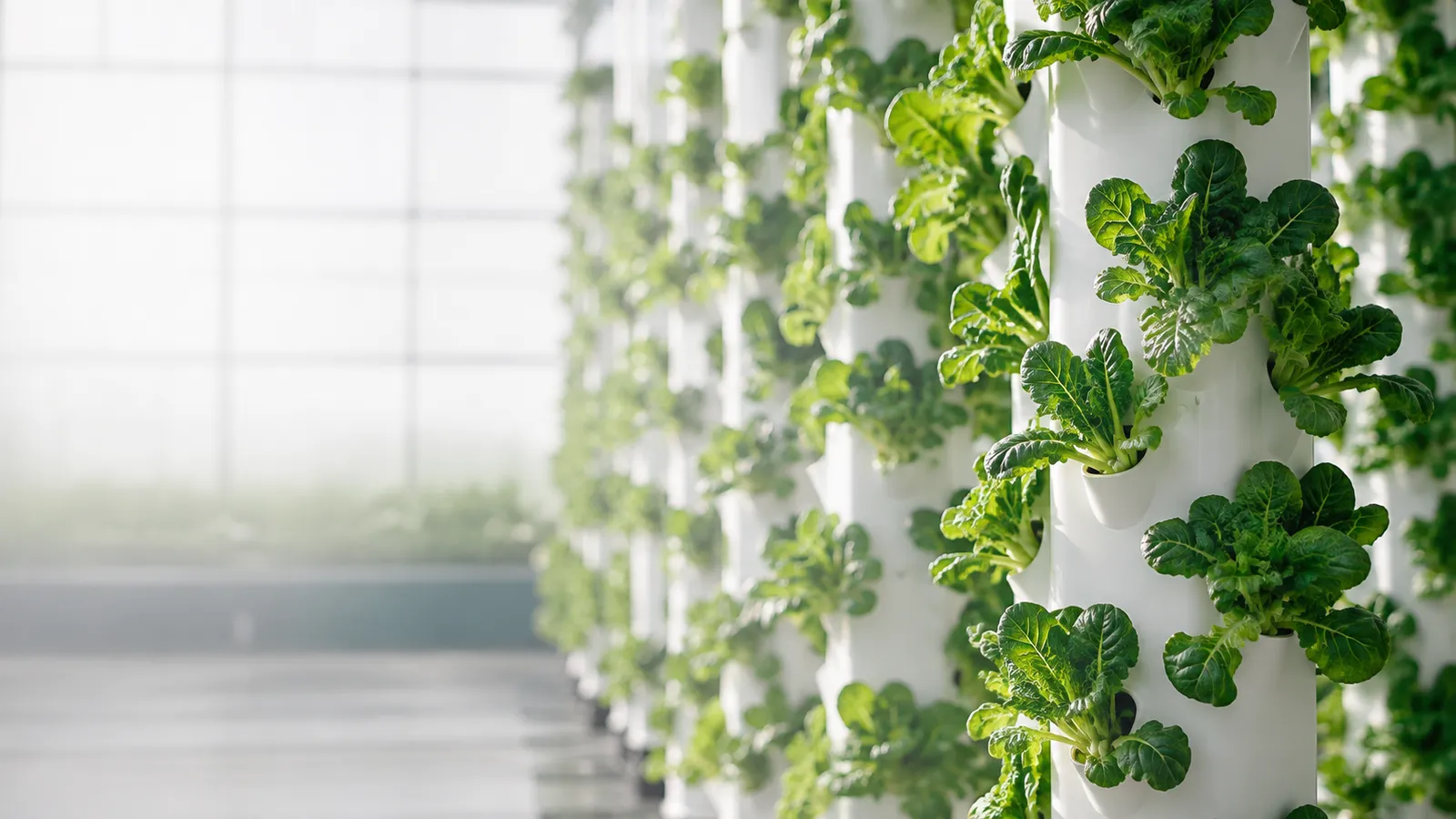
Strategic Farming
Aeroponic tower farms for farm-to-home supply, community food systems, residential compounds, HoReCa, retail, and distributed urban farming networks.

Strategic Food
Freeze-dried vegetables, fruits, proteins, tomato paste, ready meals, emergency kits, strategic food, military and maritime food, remote operations, and government stockpiles.
Ready to build a more resilient food system?
Tell us the operating context — a reserve, a kitchen, a fleet, a programme — and we will map it against the three pillars.