Strategic Farming
Aeroponic tower farms that bring production closer to the people who depend on it.
A strategic advisor and implementation partner
WeArt's role extends far beyond supplying agricultural technologies. As a strategic advisor and implementation partner, WeArt designs integrated transformation programs that combine advanced technologies, capacity building, stakeholder coordination and sustainable delivery models — supporting long-term agricultural recovery and food security.
- Farm-to-home supply
- Community food systems
- Residential compounds
- HoReCa
- Retail
- Distributed urban farming networks
What a tower-farming program is built to achieve
- 01 Secure reliable local supply and access to essential fresh food
- 02 Increase domestic agricultural production
- 03 Optimize agricultural water-use efficiency
- 04 Maximize productivity from limited land resources
- 05 Develop integrated and sustainable agricultural value chains
- 06 Empower youth, entrepreneurs and vulnerable households
- 07 Build a resilient agricultural sector
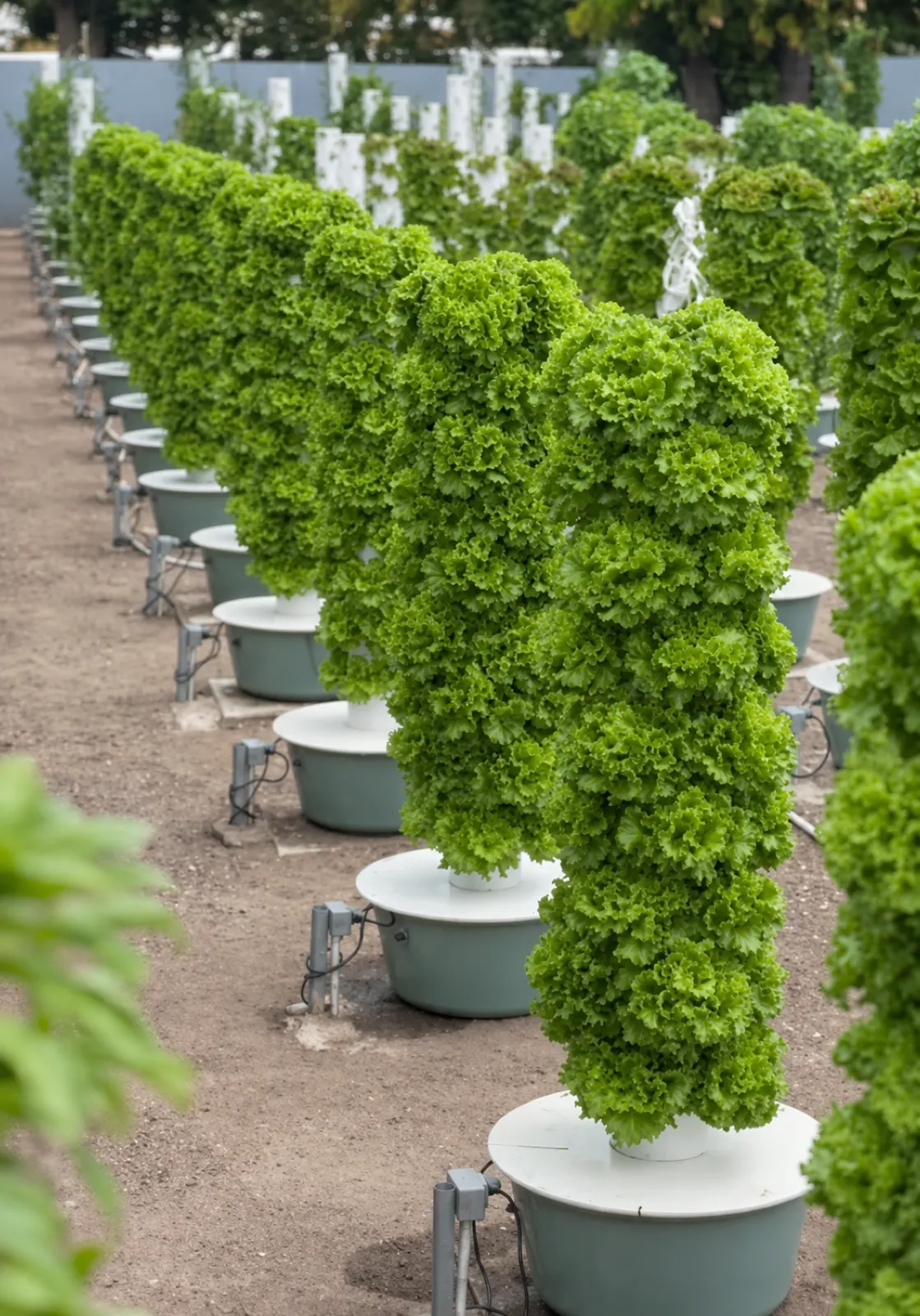
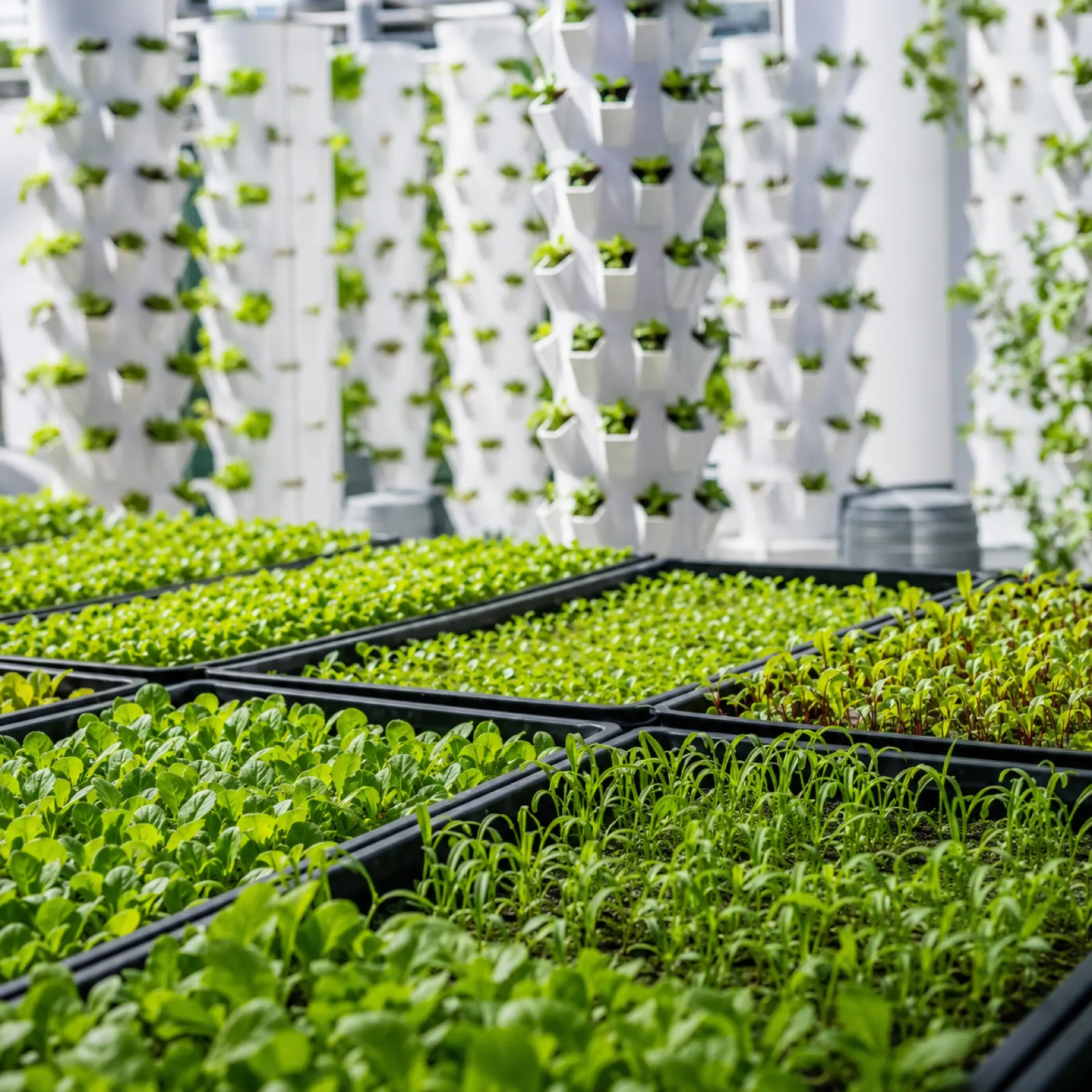
More food from less water, less land and less time
Three constraints break conventional farming where it is needed most: water, land and time. Aeroponic tower farming loosens all three at once.
- 95%water saving
An aeroponic tower saves 95% of water compared to soil farming — average tower consumption is 3.8 litres per day.
- 80%less space
Farm in 200 m² of land what would need 1,000 m² in soil — freeing massive land area for tree agriculture, animal stock projects and reconstruction.
- 10×more yield, up to
Multiply each square metre's production and harvest more cycles per year than conventional soil farming.
- 3×faster growth, up to
Precise nutrient delivery straight to the roots shortens crop cycles across leafy greens and fruiting vegetables alike.
How tower farming compares to other systems
| Comparison factor | Aeroponic towers | Conventional soil | Organic soil | Hydroponic |
|---|---|---|---|---|
| Growing environment | Soil-free; roots fed directly | Natural soil | Certified organic soil | Water-based; often inert media |
| Land requirement | Very low; vertical density | High | High | Low to moderate |
| Water efficiency | Up to 90–95% less than soil | Lowest efficiency | Low to moderate | Up to 70–90% less than soil |
| Production per m² | Very high | Low to moderate | Low to moderate | High |
| Soil dependency | None | Fully dependent | Fully dependent | None |
| Nutrient delivery | Precise; direct to roots | Variable; soil-dependent | Organic nutrient release | Controlled in water |
| Growth & crop cycles | Fast; multiple cycles | Seasonal | Seasonal | Fast; multiple cycles |
| Weeds | None | Regular control required | Labour-intensive control | None |
| Disease exposure | Reduced soil-borne risk | Higher soil-borne risk | Higher soil-borne risk | Waterborne risk remains |
| Climate resilience | High when protected | Weather-dependent | Weather-dependent | High when controlled |
| Best application | Water- and land-constrained regions | Land- and water-abundant areas | Certified premium markets | Controlled commercial farms |
Aeroponic tower farming delivers the highest production density with minimal dependence on land and soil.
One growing platform. A world of crops
Everyday staples, premium herbs and high-value fruiting crops — grown on the same modular platform. Crop diversity lets each project respond to nutrition needs, market demand and operating conditions.
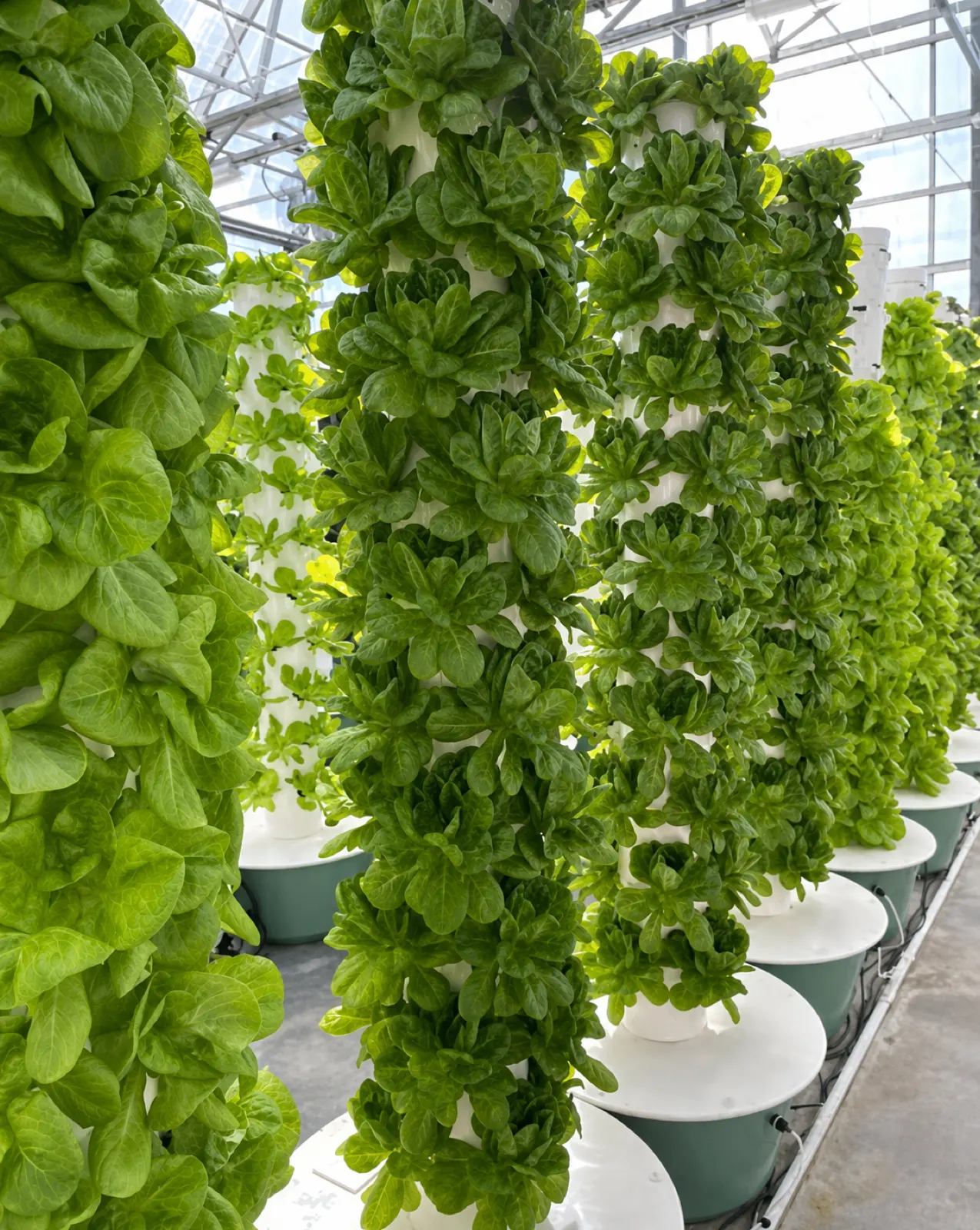 01
01Leafy greens
All leafy greens can be grown in aeroponic towers.
Lettuce varieties, parsley, thyme, mint, basil, sage, mustard greens, arugula, green onion, cilantro, dill, kale, spinach, celery — and more.
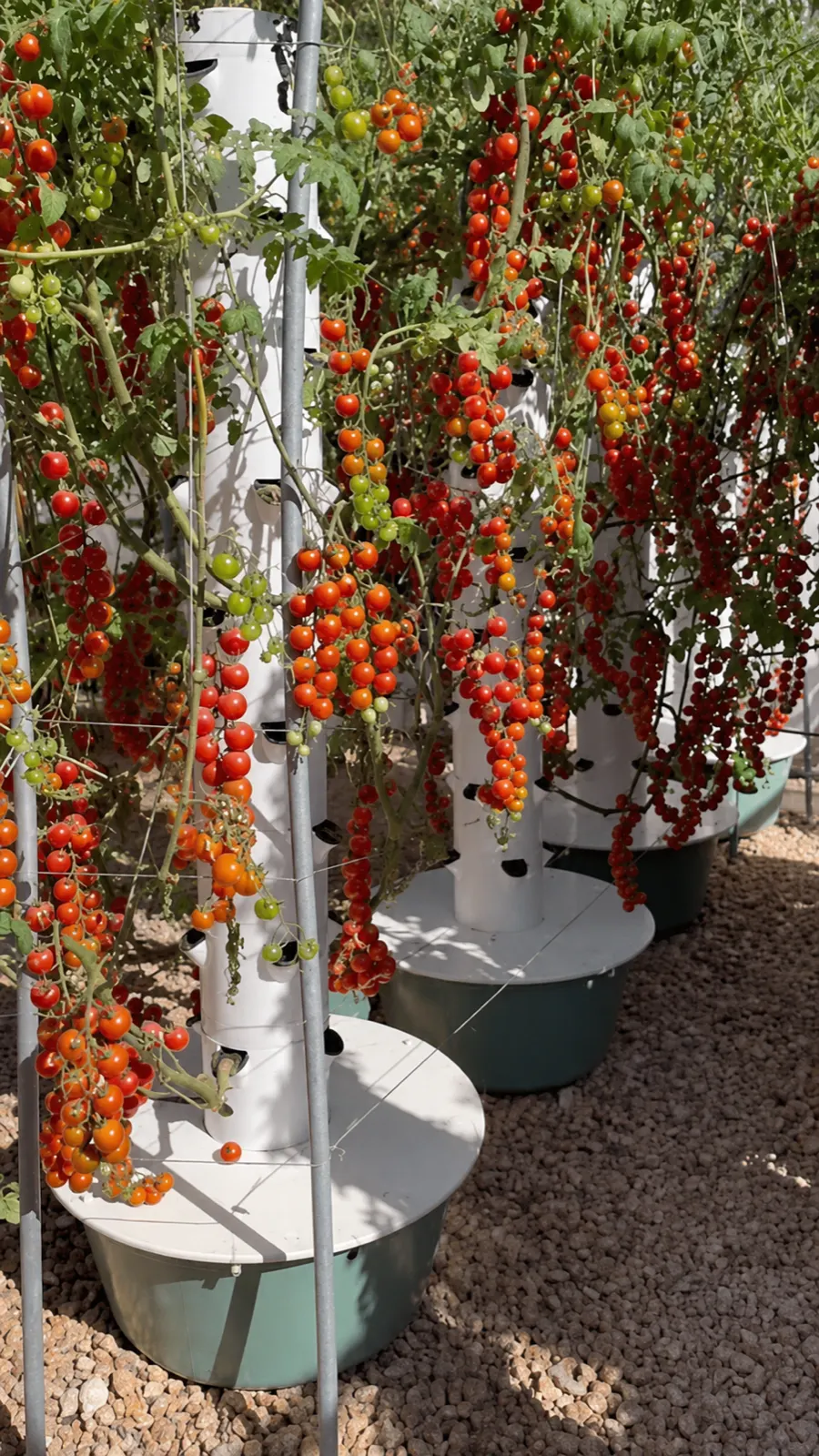 02
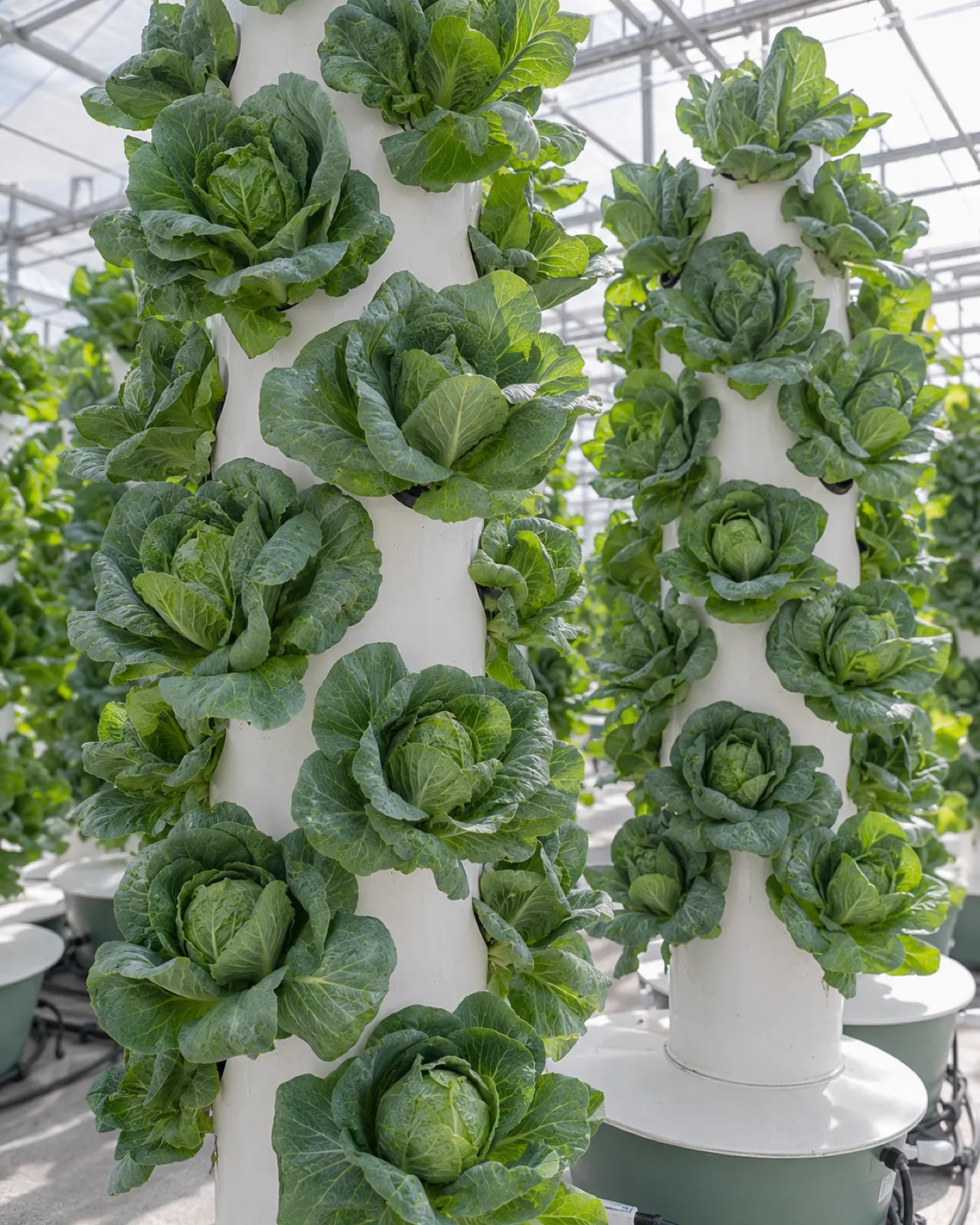
02Fruiting vegetables
Climbing and heading crops grow on the same towers with support cages.
Tomato, cucumber, zucchini, eggplant, cabbage, broccoli, cauliflower, bell pepper, chili pepper, beans, okra, fennel, watermelon — and more.
- 03
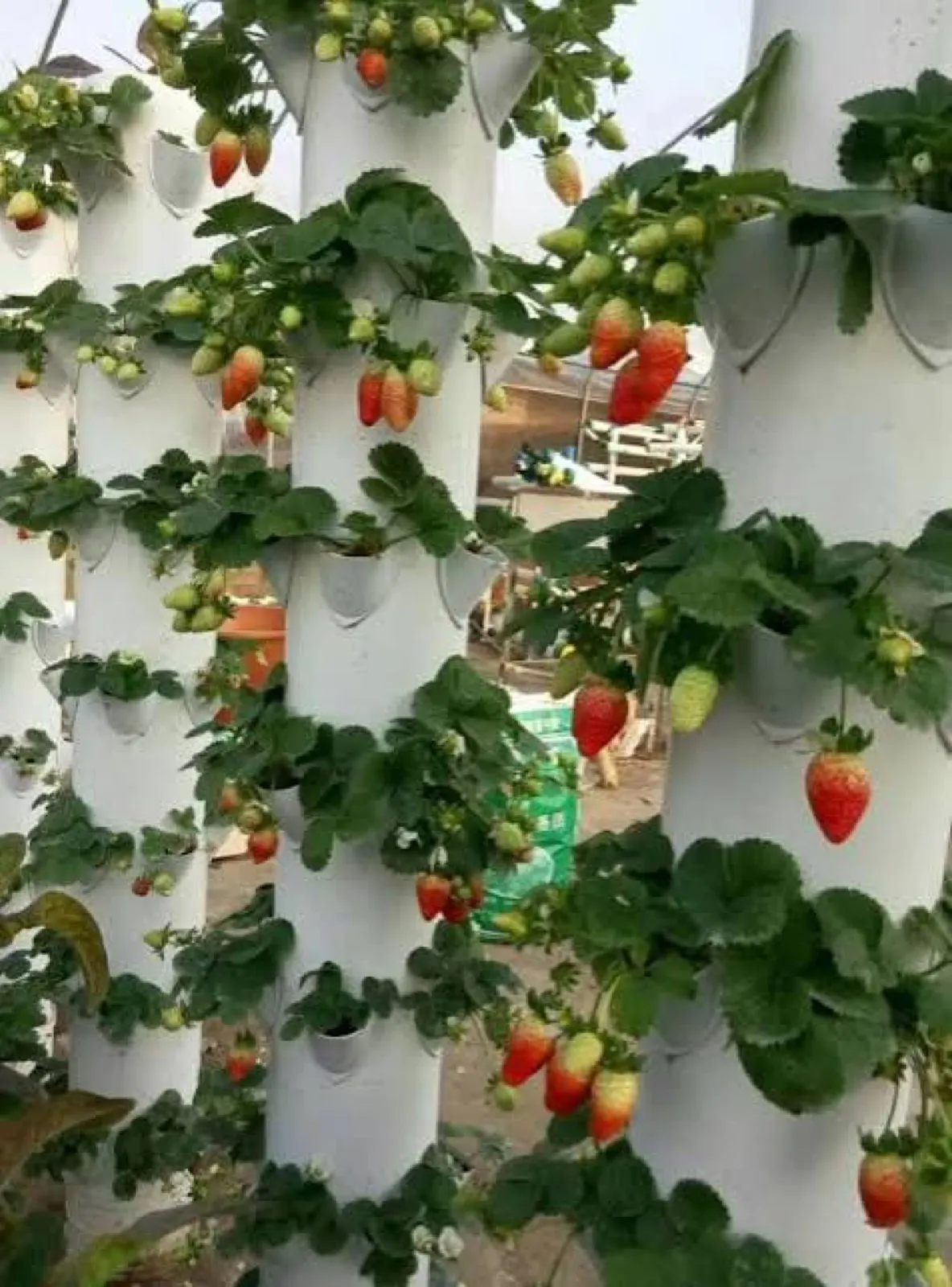
Strawberry
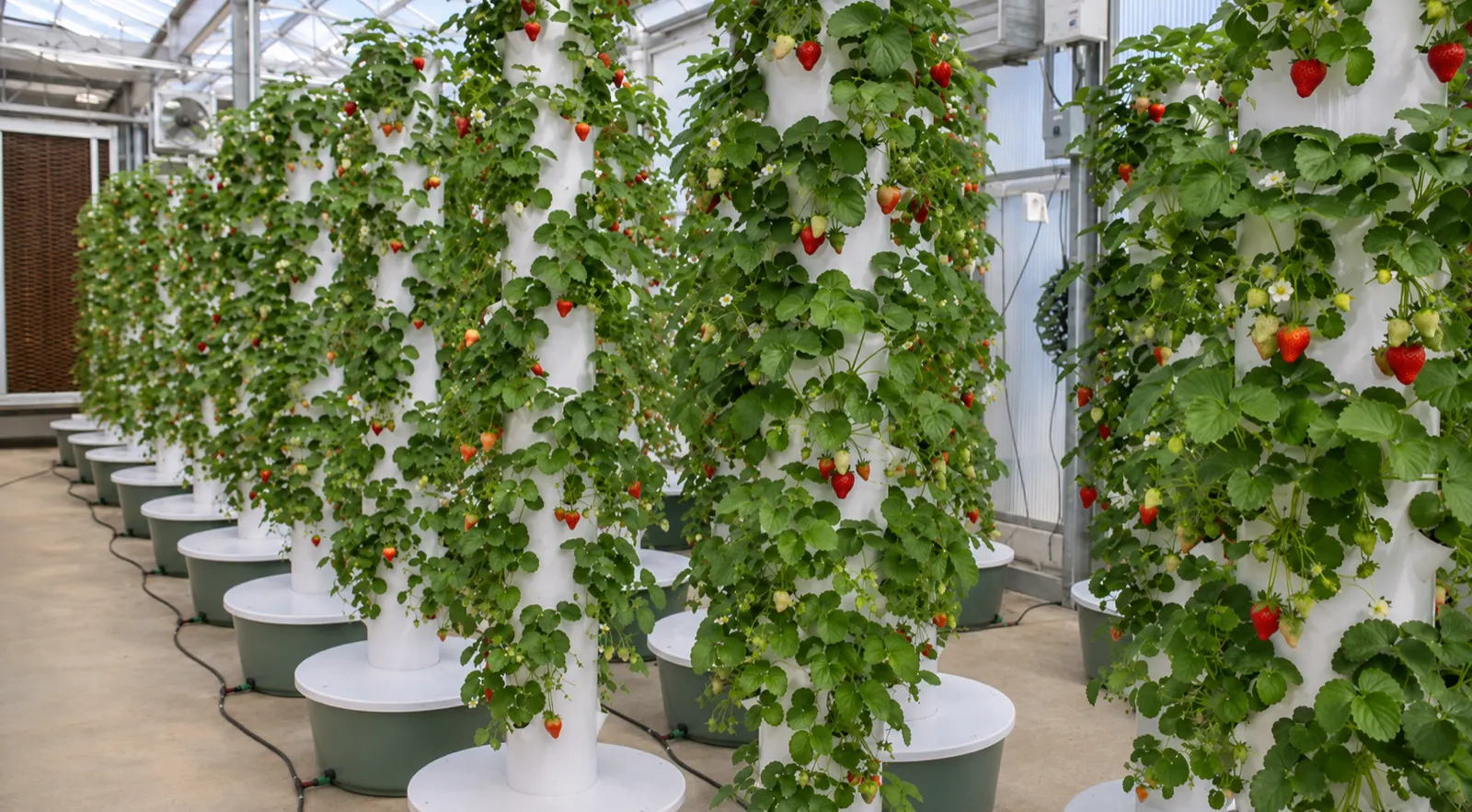
The most productive system for strawberry compared to conventional soil and hydroponic farming — tower yield can reach 22 kg/m² per year in a greenhouse aeroponic setup.
22 kg/m² per year in greenhouse aeroponic towers.
What one tower produces in a year
Illustrative annual production per tower footprint — roughly one square metre. Harvest cycles, plant counts and cycles per year vary by crop.
| Crop | Harvest cycle | Yield / cycle (kg) | Plants / tower | Cycles / year | Annual yield (kg) |
|---|---|---|---|---|---|
| Butterhead lettuce | 4 weeks | 18 | 52 | 13 | 234 |
| Batavia lettuce | 4 weeks | 18 | 52 | 13 | 234 |
| Romaine lettuce “Large” | 4–5 weeks | 35 | 52 | 11 | 385 |
| Spinach | 4–7 weeks | 6 | 52 | 7 | 45 |
| Arugula | 3 weeks | 6 | 52 | 17 | 102 |
| Basil | 6 weeks | 12 | 52 | 8 | 96 |
| Purple basil | 6 weeks | 12 | 52 | 8 | 96 |
| Mint | 6 weeks | 14 | 52 | 8 | 112 |
| Cilantro | 4 weeks | 8 | 52 | 13 | 104 |
| Parsley | 4–6 weeks | 7 | 52 | 9 | 63 |
| Eggplant “Black Beauty” | 8–10 weeks | 24 | 18 | 5 | 120 |
| Eggplant “Ping Tung Long” | 8–10 weeks | 35 | 18 | 5 | 175 |
| Beans | 4 weeks | 18 | 52 | 13 | 234 |
| Bell pepper | 60–90 days | 32 | 36 | 4 | 128 |
| Broccoli | 80–90 days | 12 | 26 | 4 | 48 |
| Cabbage | 85–100 days | 25 | 26 | 4 | 100 |
| Cauliflower, white | 90–120 days | 13 | 26 | 3 | 39 |
| Cauliflower, yellow | 100–120 days | 17 | 26 | 3 | 51 |
| Cucumber | 55–60 days | 35 | 12 | 6 | 210 |
| Dill | 40–60 days | 10 | 52 | 6 | 60 |
| Kohlrabi | 45–60 days | 13 | 52 | 6 | 78 |
| Lollo lettuce | 5 weeks | 9 | 52 | 10 | 90 |
| Sakura cherry tomato | 70–75 days | 13 | 18 | 5 | 65 |
| Celebrity tomato | 75–85 days | 160 | 18 | 4 | 640 |
| Zucchini | 8–10 weeks | 24 | 18 | 5 | 120 |
Figures are illustrative, per tower footprint, from the WeArt aeroponic tower farming yield reference.
How the system works
Three main components carry the farm — towers, irrigation and nutrients — supported by the growing accessories that keep large-scale operation efficient and consistent.
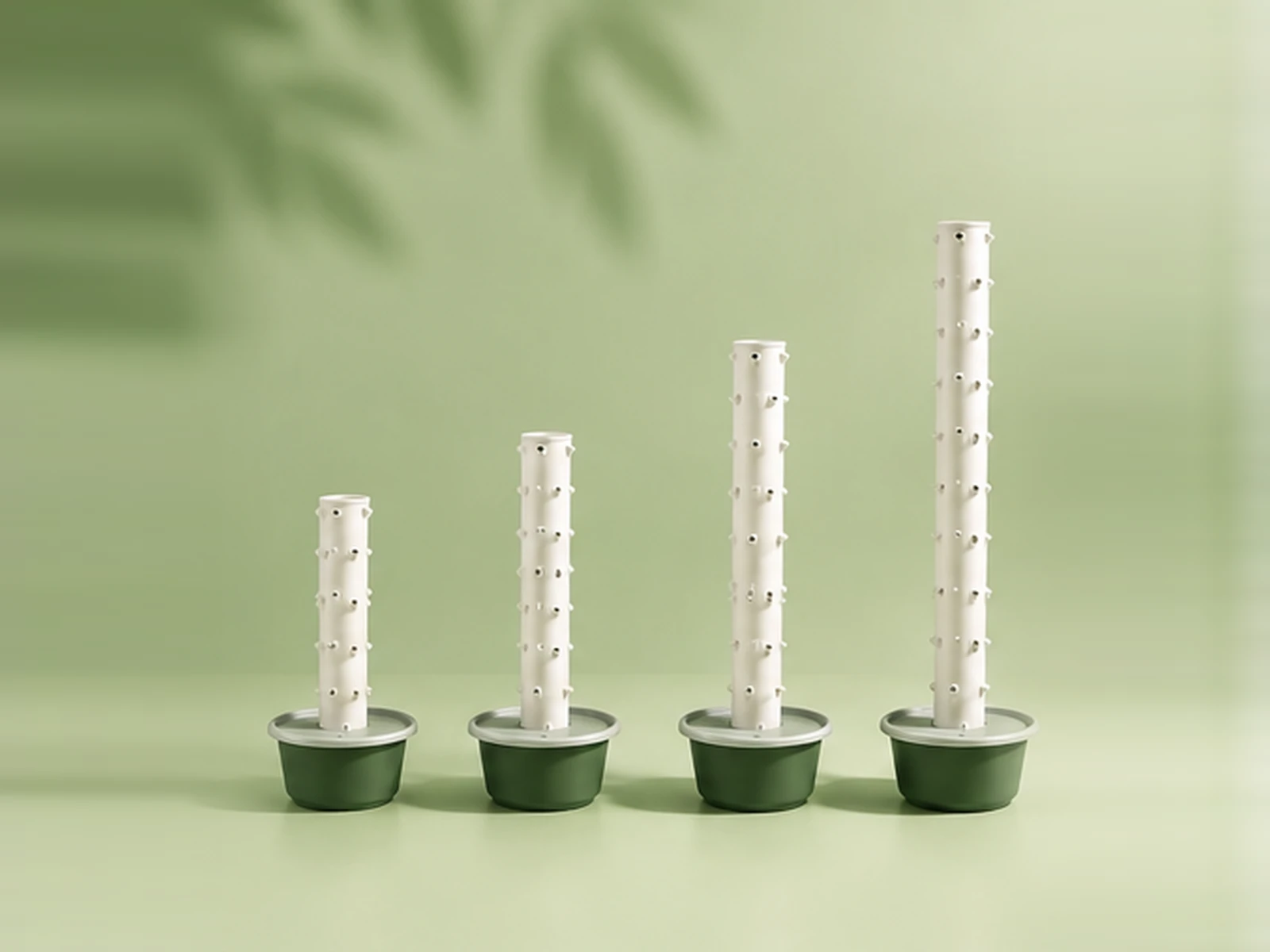 01
01Towers
PC/ABS plastic, U.S. FDA-compliant for food contact and aligned with European RoHS guidelines. Different heights and port densities match different crops — from leafy greens and baby greens to fruiting vegetables.
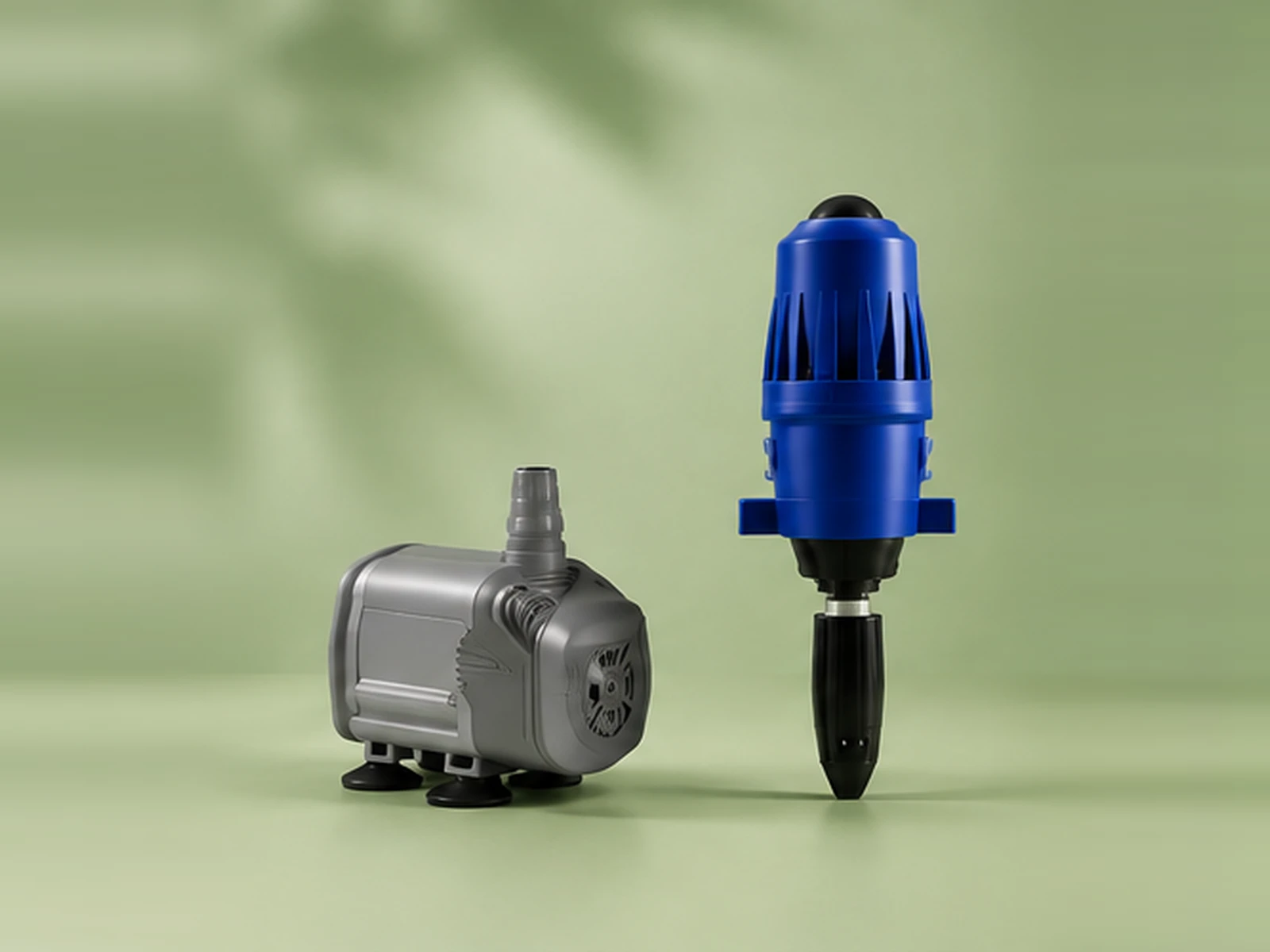 02
02Irrigation
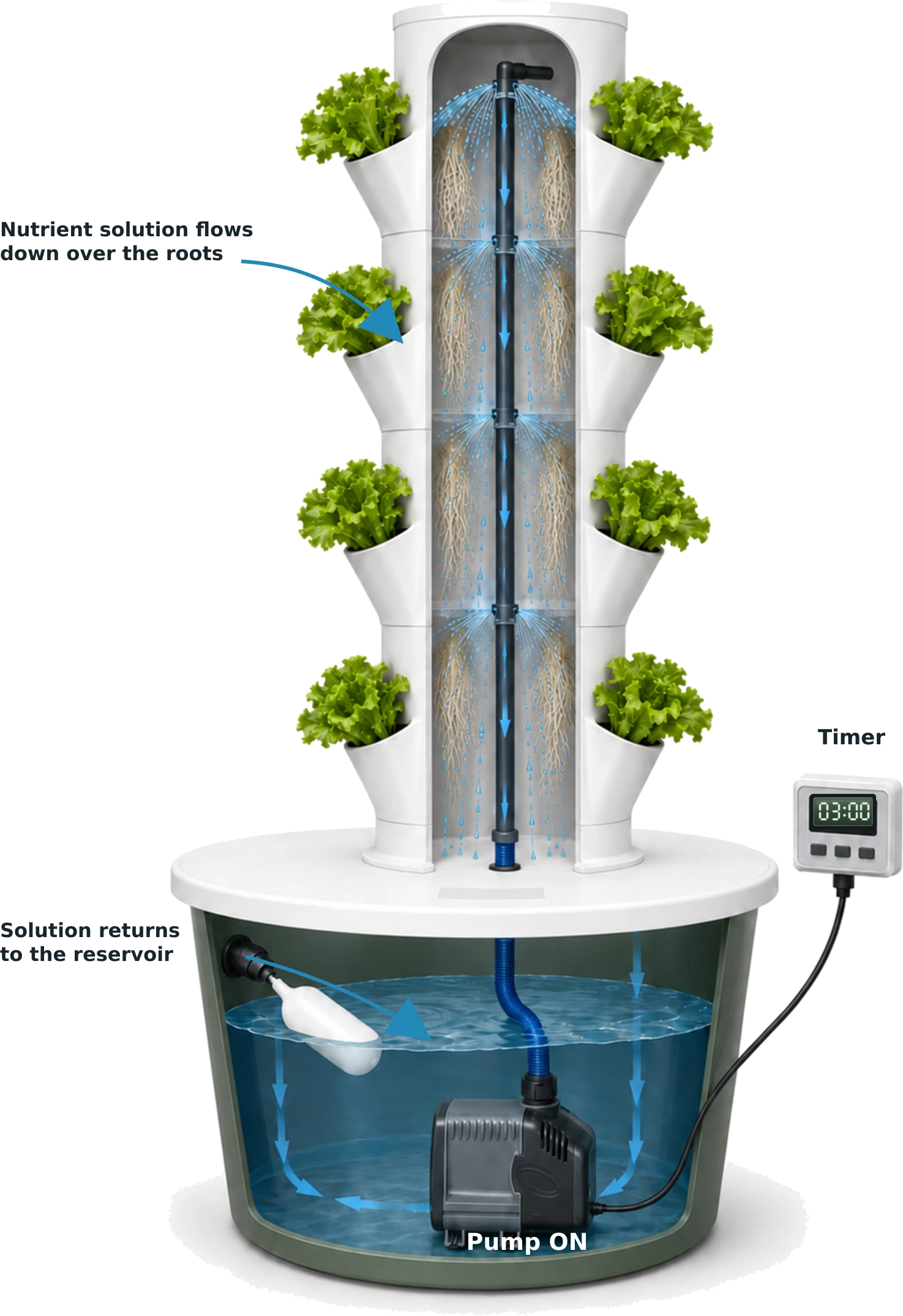
Automated nutrient dosing with water-powered injectors — no electricity required — connected to the main water source and nutrient tanks. Each tower runs a submersible 45 W pump about 4.8 hours a day: 3 minutes on, 12 minutes off.
 03
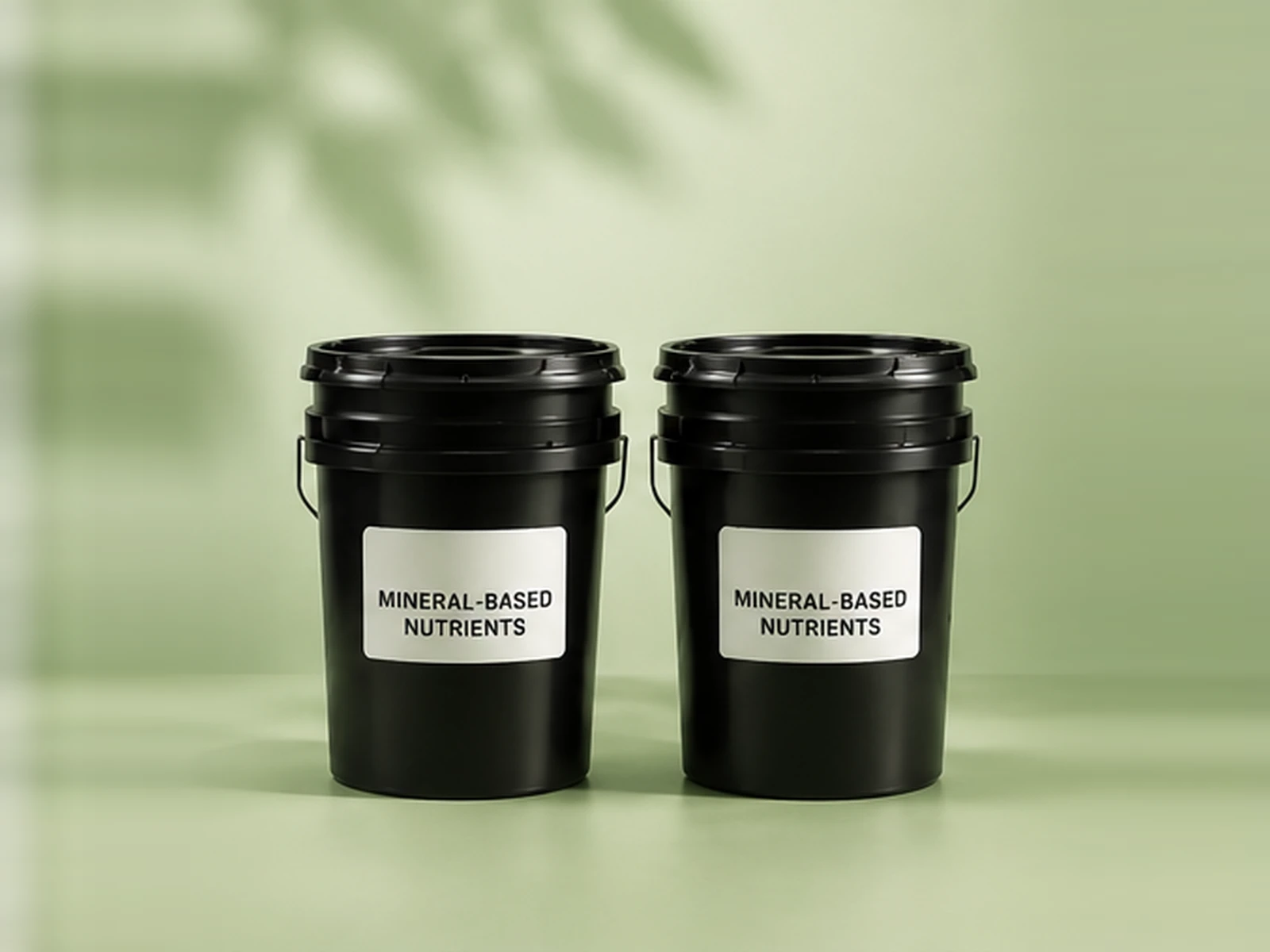
03Nutrients
100% natural, soluble, ionic mineral-based nutrients. Non-hazmat. 18 months of consumption is included with the purchased system, at an operating cost of roughly $0.04 per plant.
Growing accessories
 01
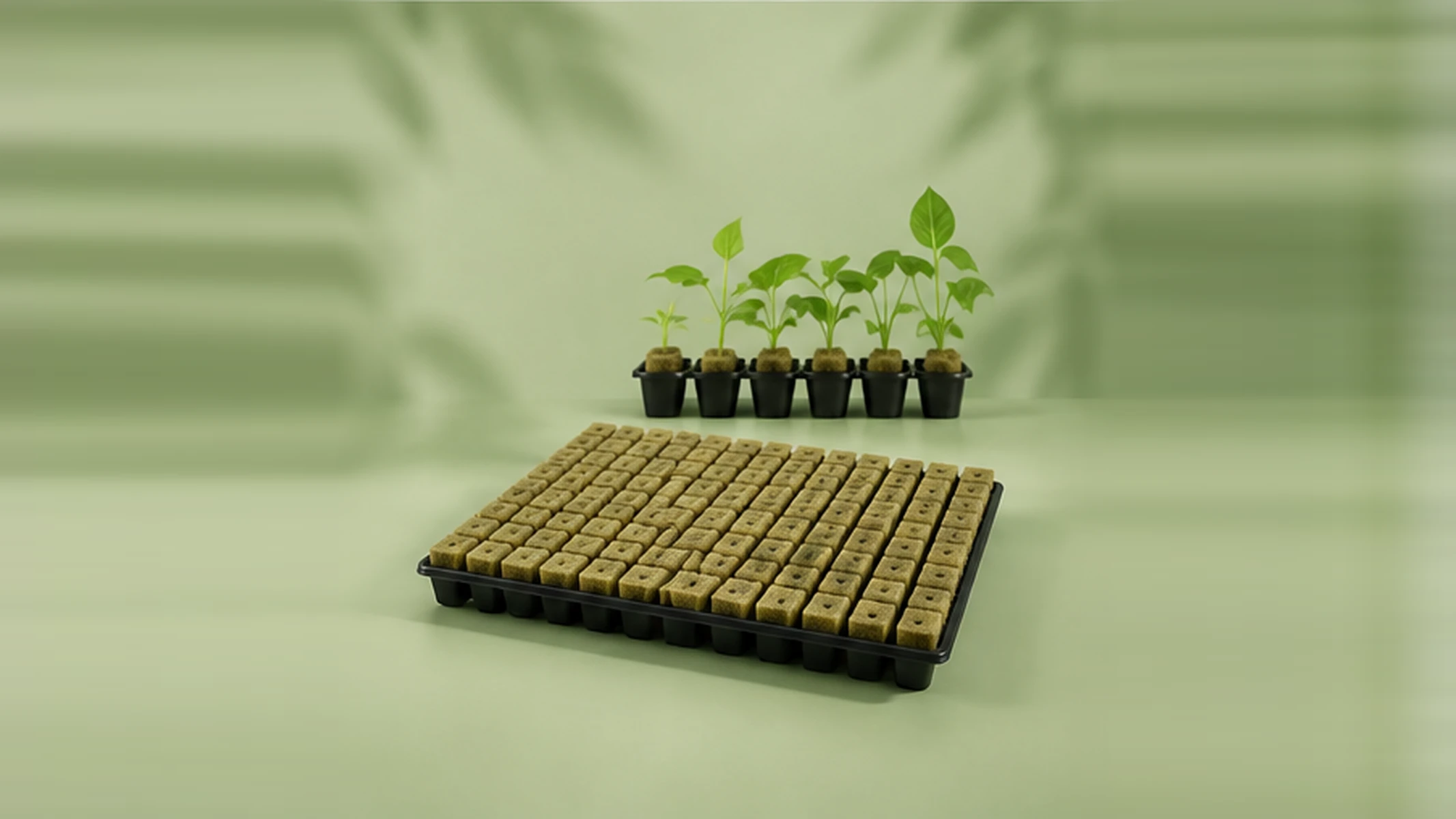
01Seedling medium
Rockwool cubes give seeds a reliable start — steady water retention and root support that make large-scale growing efficient and consistent.
 02
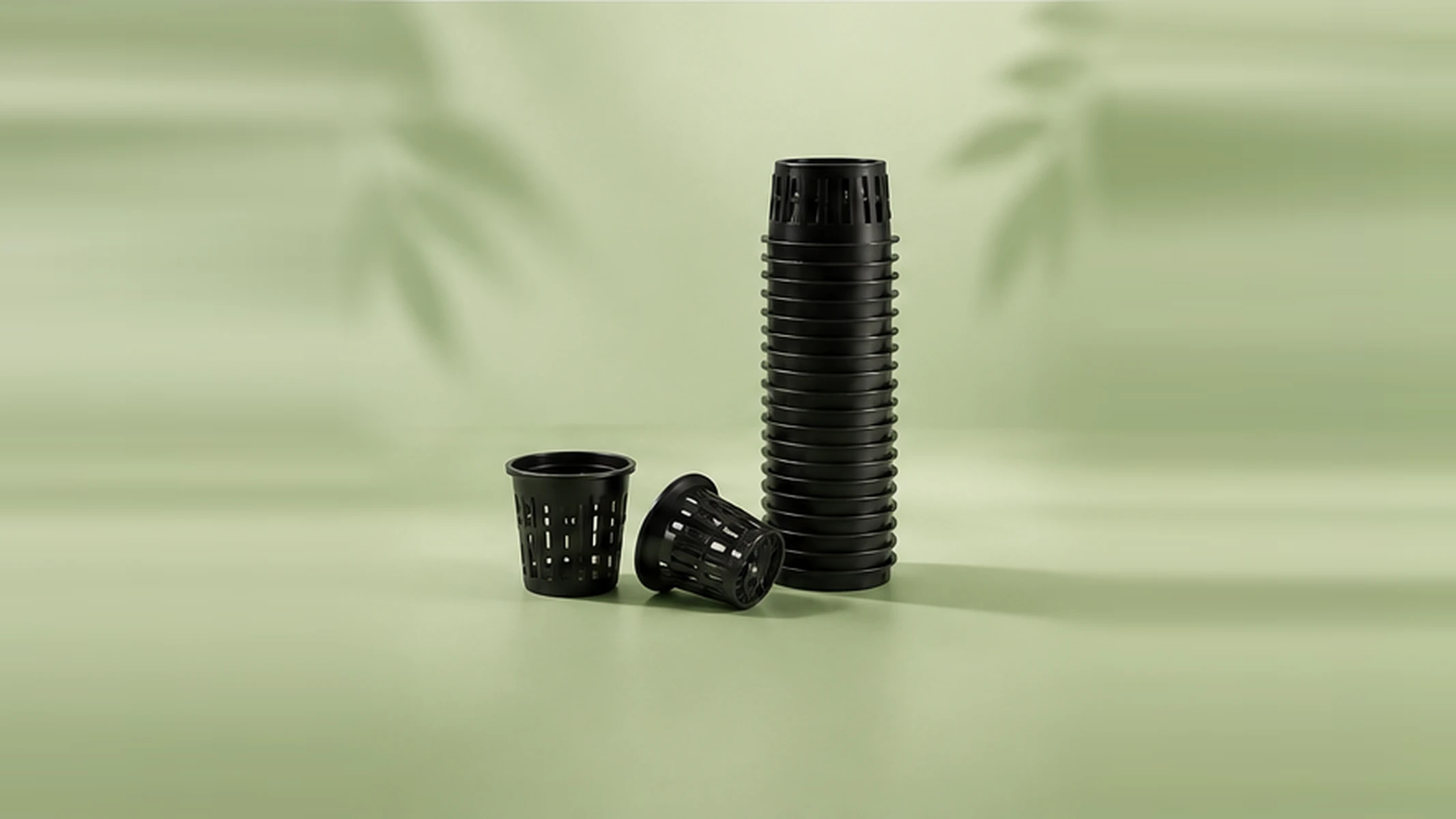
02Net pots
Long-lasting, reusable support for rockwool cubes and seedlings. Lightweight pots that keep aeroponic circulation flowing around healthy roots.
 03
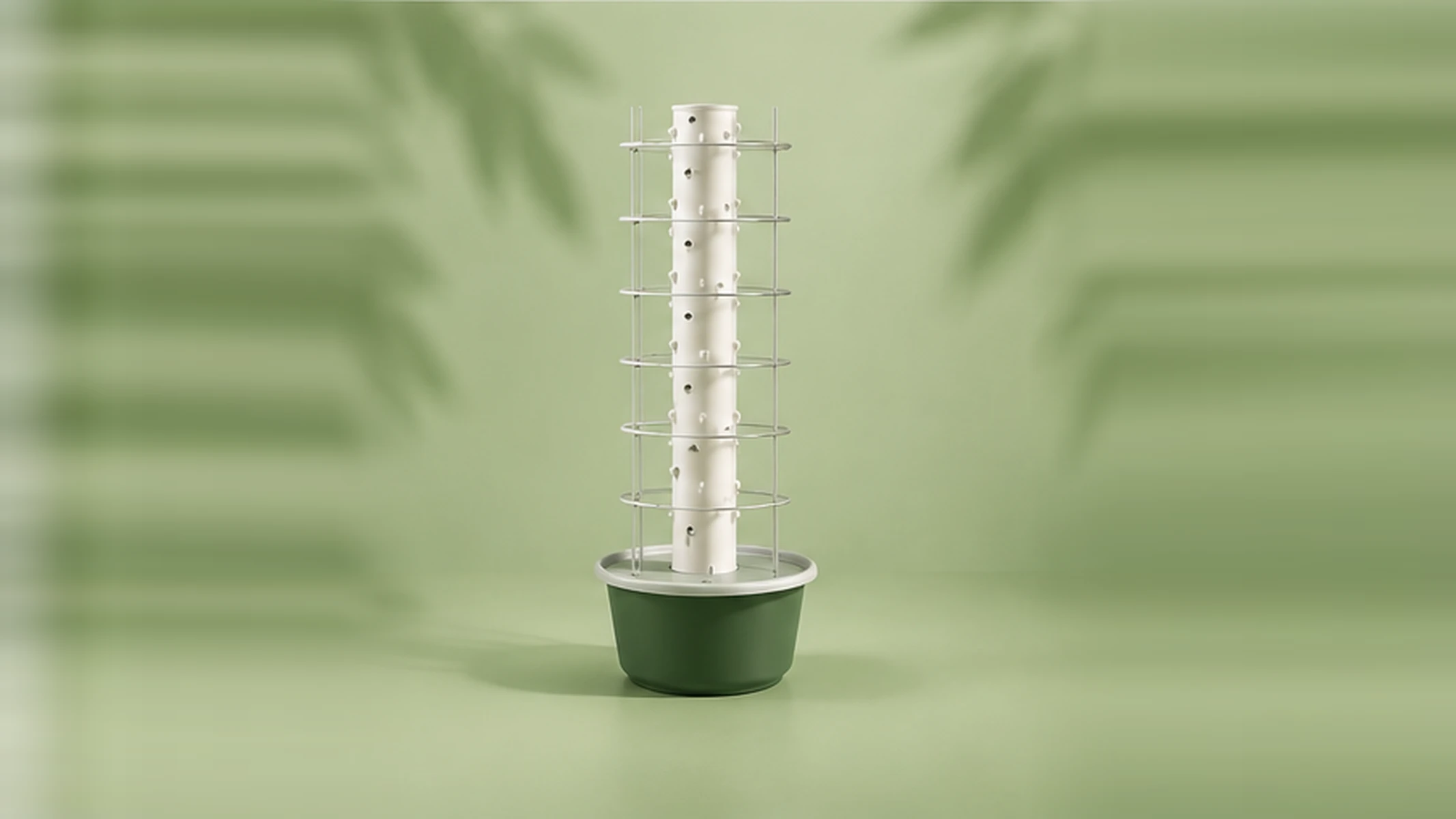
03Support cage
The accessory for climbing crops — eggplant, zucchini, tomato and cucumber grow vertically on the tower with the cage carrying the load.
From seed to harvest in eight clear stages
Water, nutrients and oxygen circulate in a loop — what the plants do not take returns to the reservoir and goes around again.
Germinate seeds
Start seeds in rockwool under controlled conditions.
Plant the tower
Insert healthy seedlings into vertical growing ports.
Mix nutrients
Balance water, nutrients, pH and nutrient concentration.
Pump upward
A timer sends nutrient solution to the tower top.
Feed the roots
Water, nutrients and oxygen flow over exposed roots.
Recover & reuse
Unused solution returns to the reservoir for recirculation.
Monitor conditions
Track water, pH, nutrients, temperature and plant health.
Harvest faster
Efficient feeding supports reliable, year-round yields.
The recovered solution returns to the reservoir, completing the cycle.
Resilience built into every environment
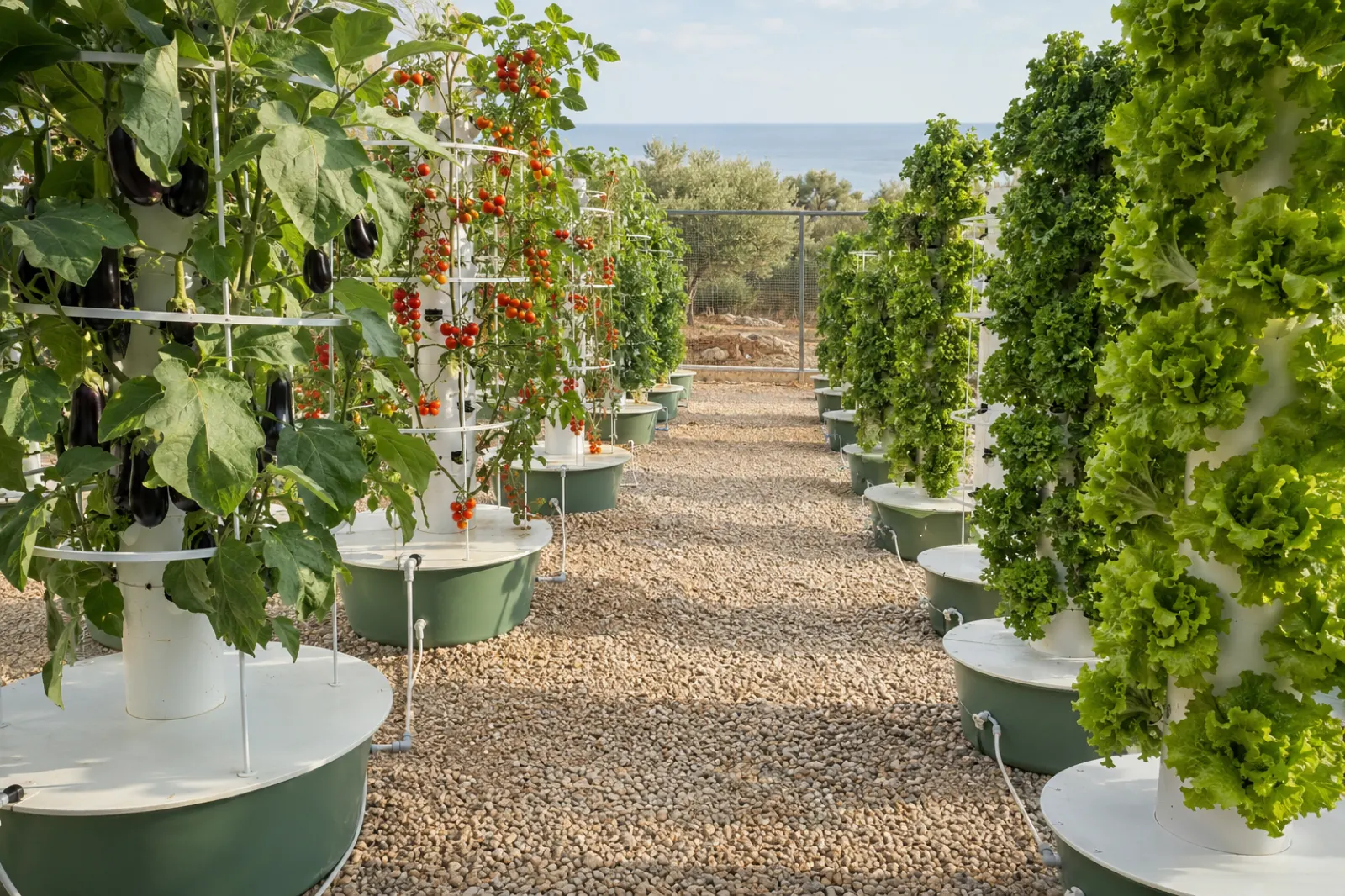
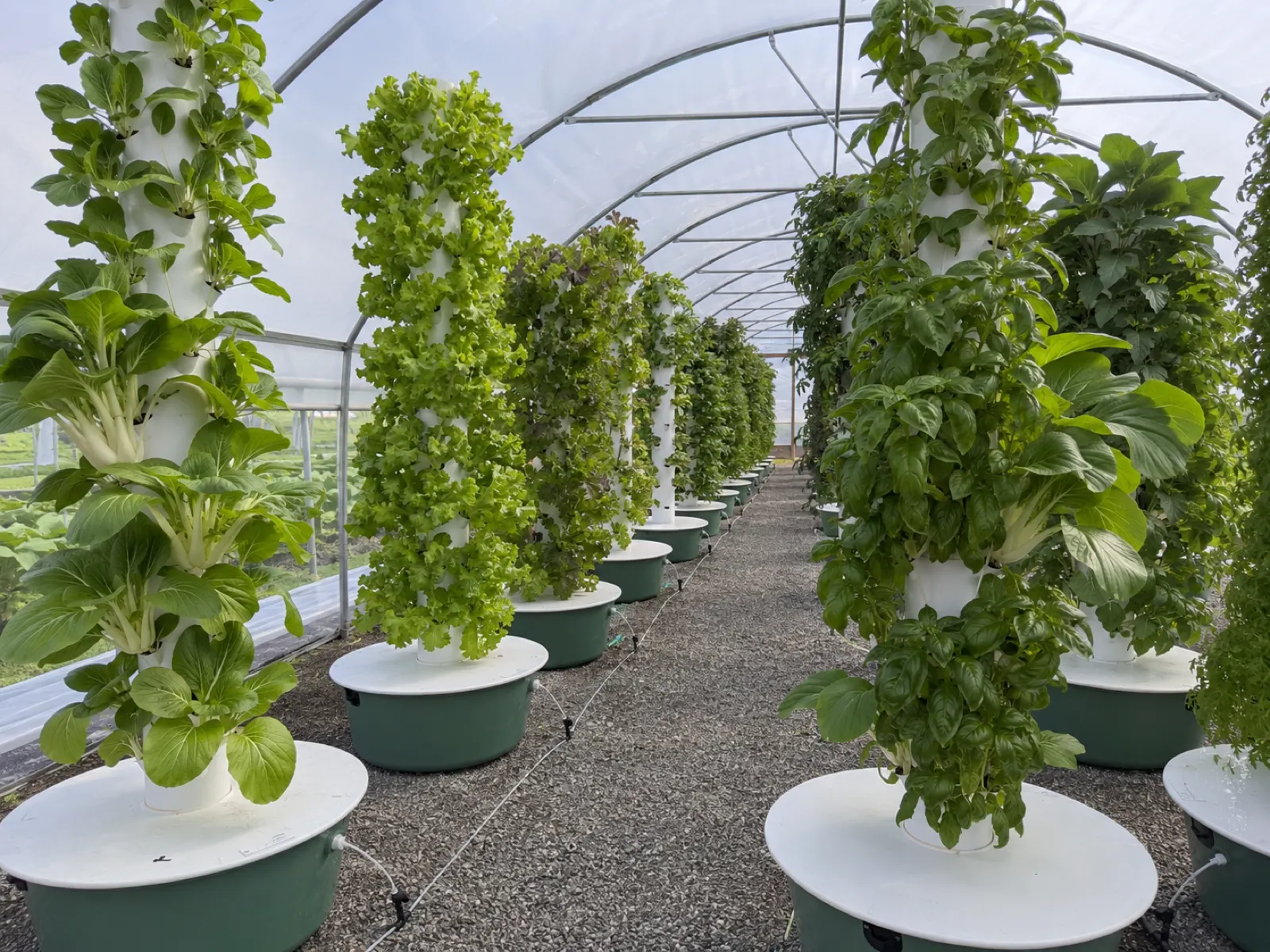
One proven tower system adapts to climate, infrastructure and location — production continuity across four operating environments.
 01
01Outdoor
Direct sunlight · minimal infrastructure
 02
02Hybrid greenhouse
Natural climate · passive protection
 03
03Fully controlled greenhouse
Managed climate · consistent production
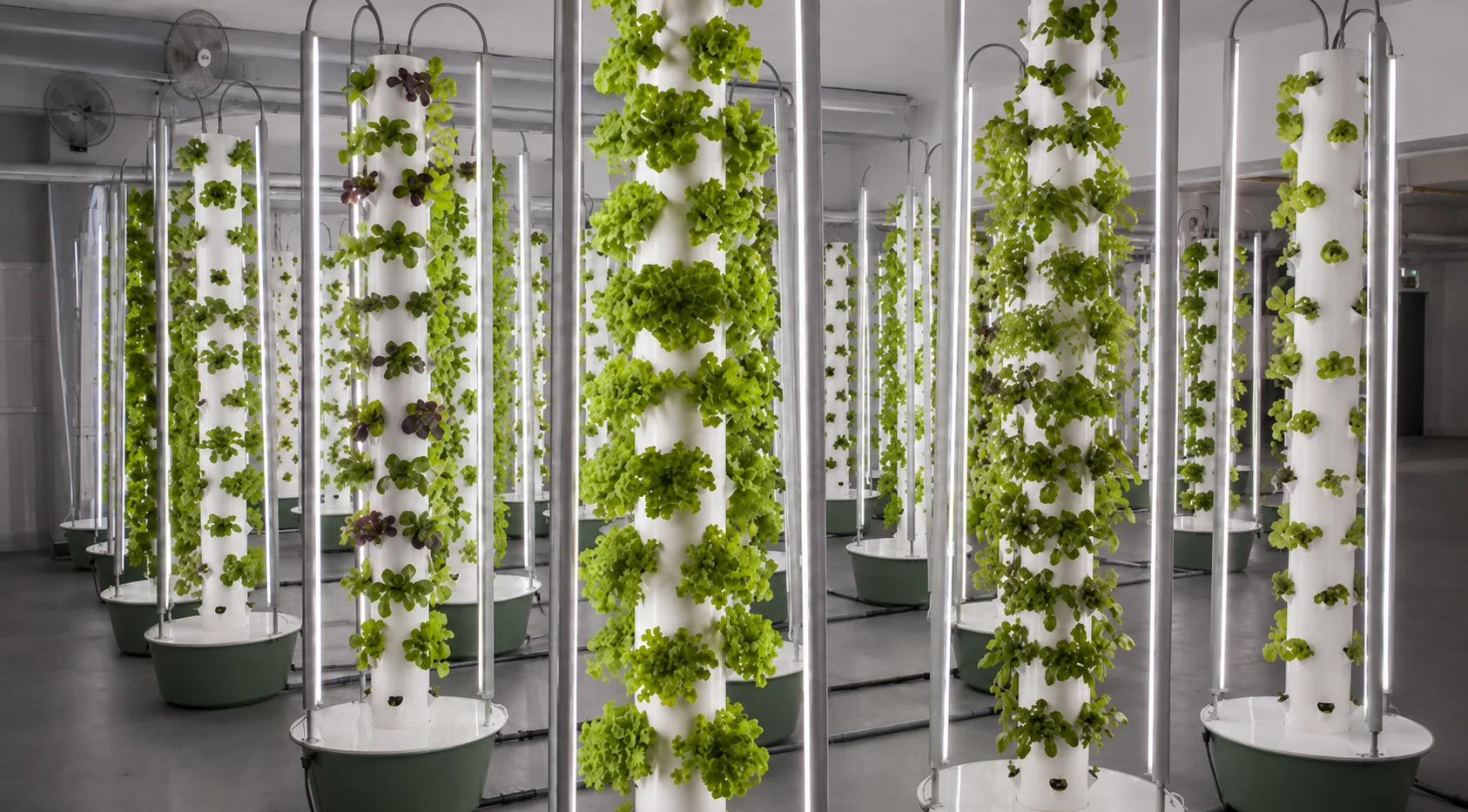 04
04Indoor
Artificial light · urban deployment
The same core system can move with the mission — from open land to full environmental control.

Agrotonomy — the towers behind Strategic Farming.
Strategic Farming is built on Agrotonomy's aeroponic towers — Tower Farms for commercial production and Tower Gardens for households — delivered as turnkey installations with automated irrigation and nutrient dosing. As Agrotonomy's representative in Palestine, WeArt puts the same equipment, agronomy and operator training used on cultivations across six continents behind every farm it deploys.
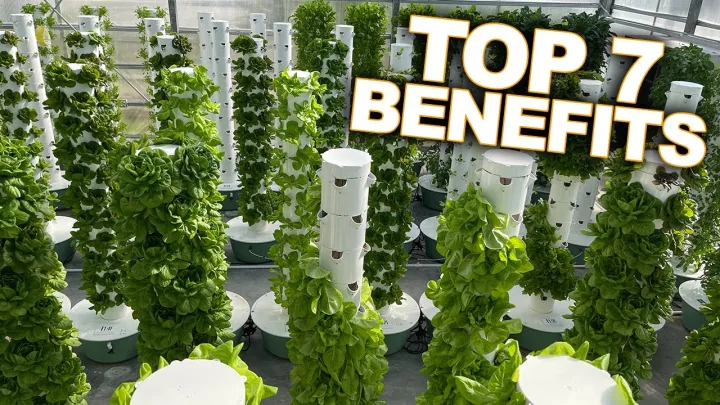
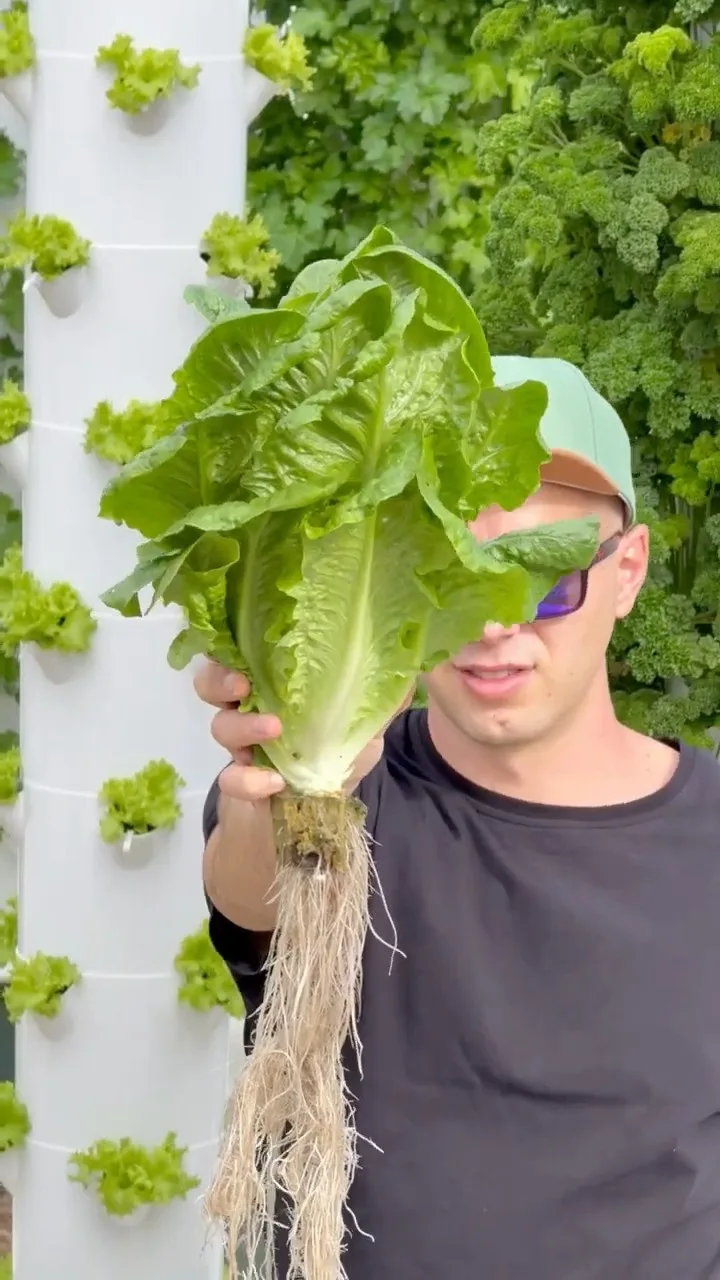
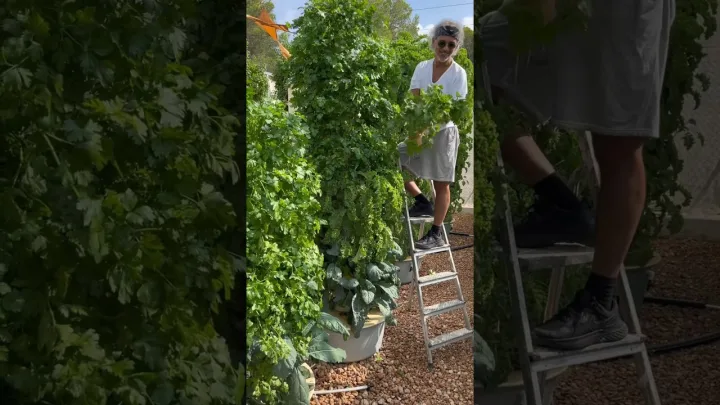
From leaves to fruit. From food to flowers
Real harvests from aeroponic towers — the same platform carrying herbs, vegetables, fruit and even flowers. Each clip opens on Agrotonomy's own channel.
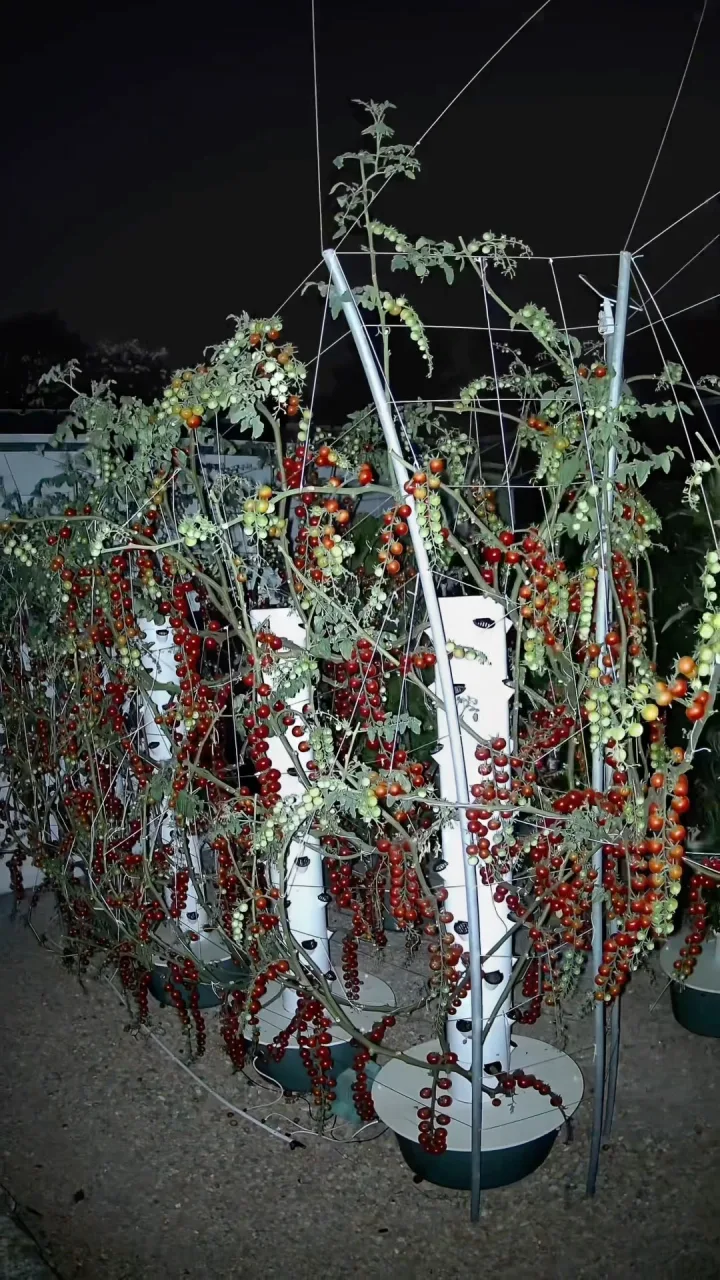
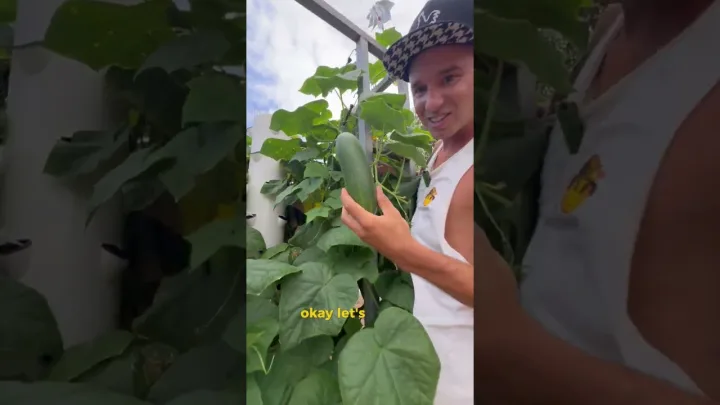
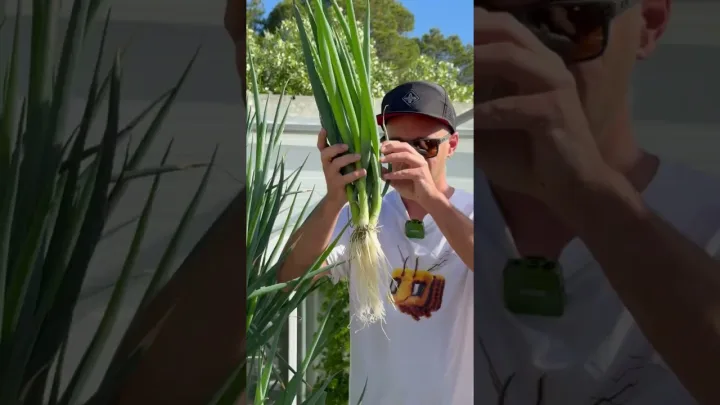
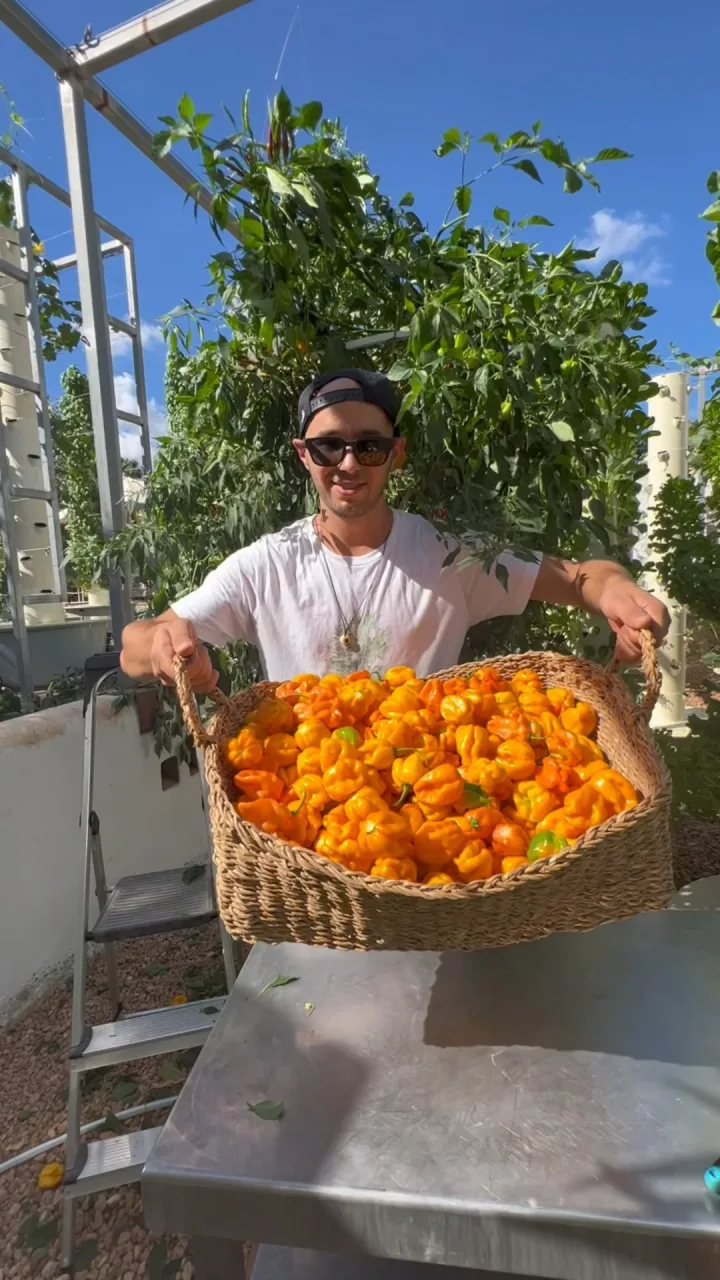
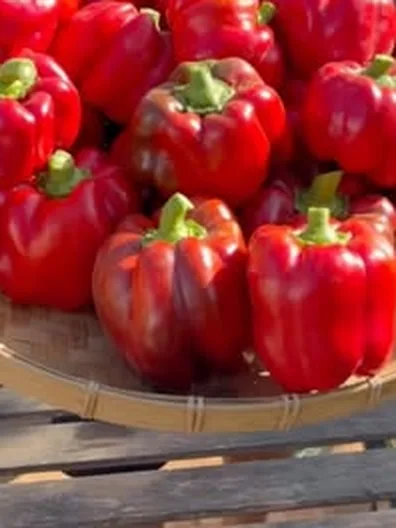
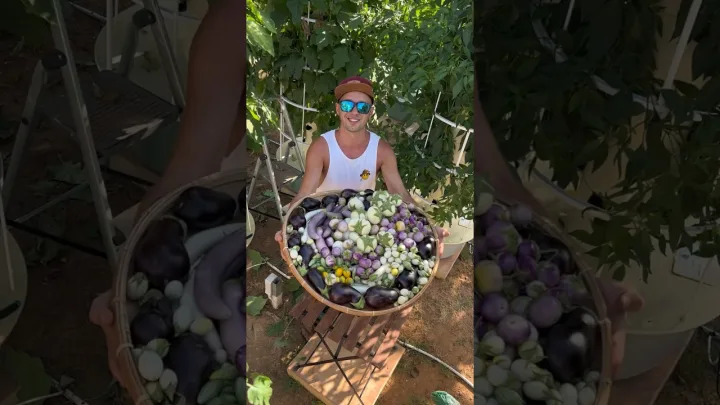
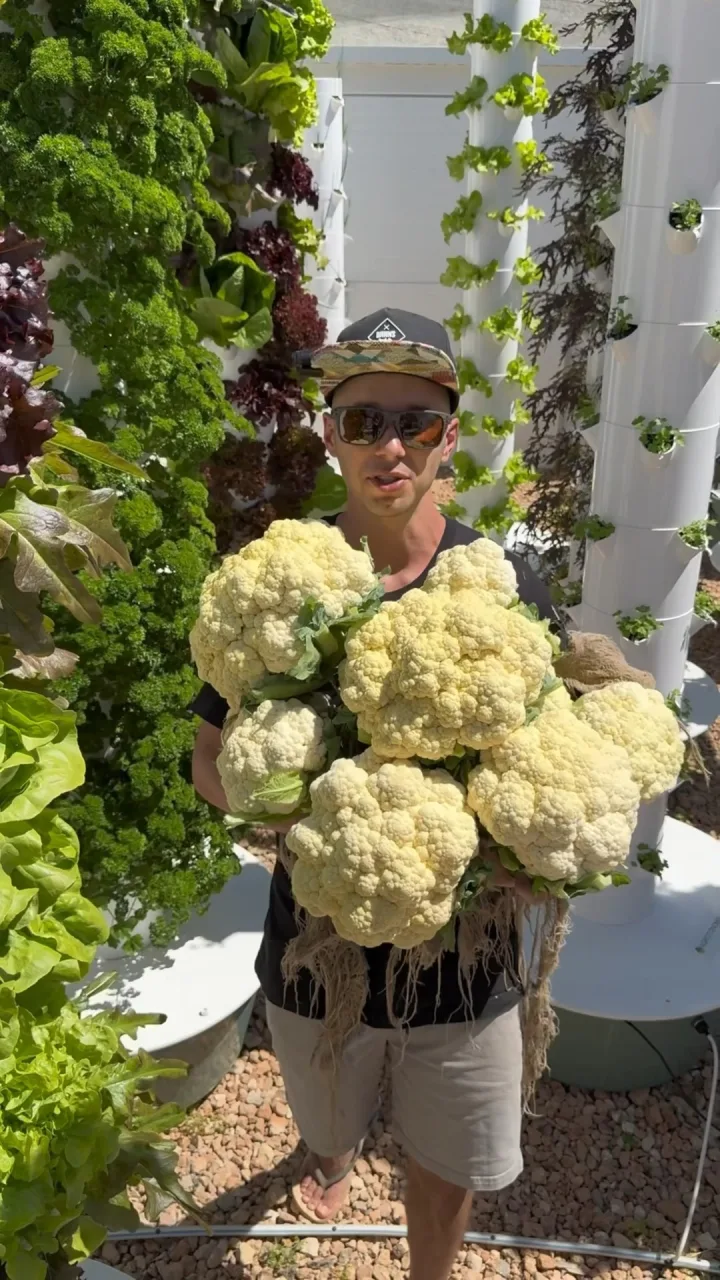
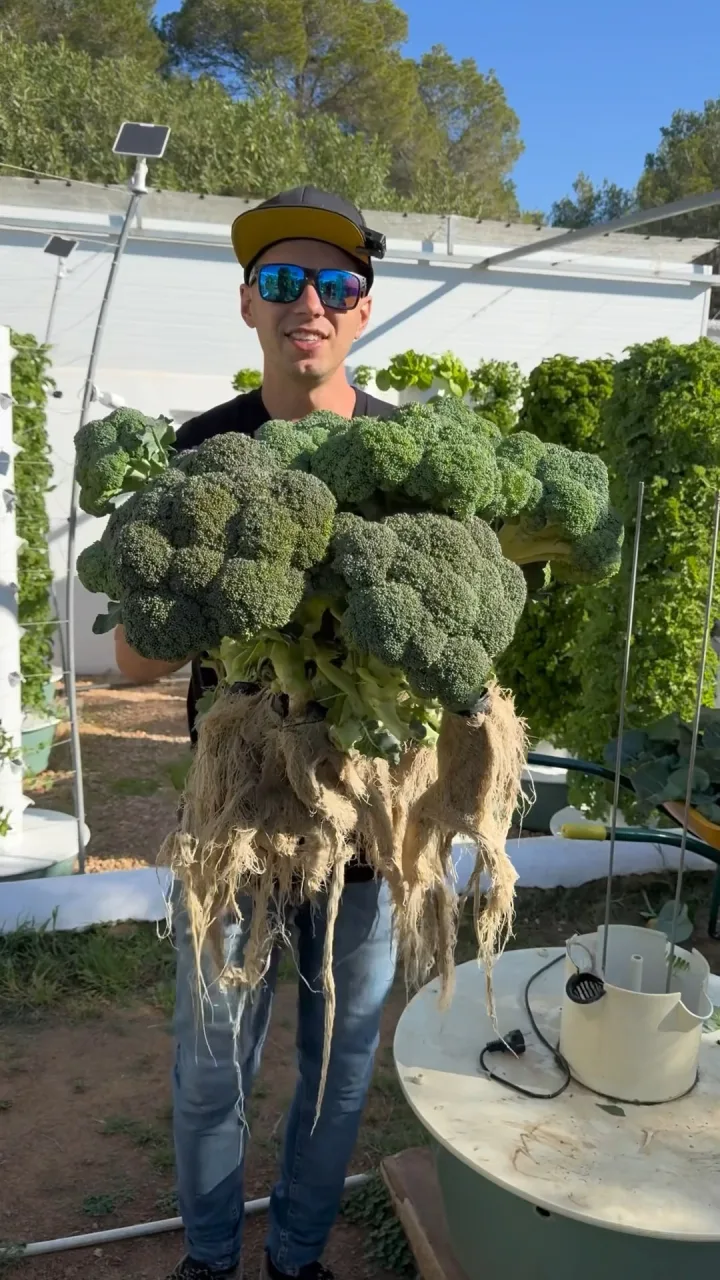
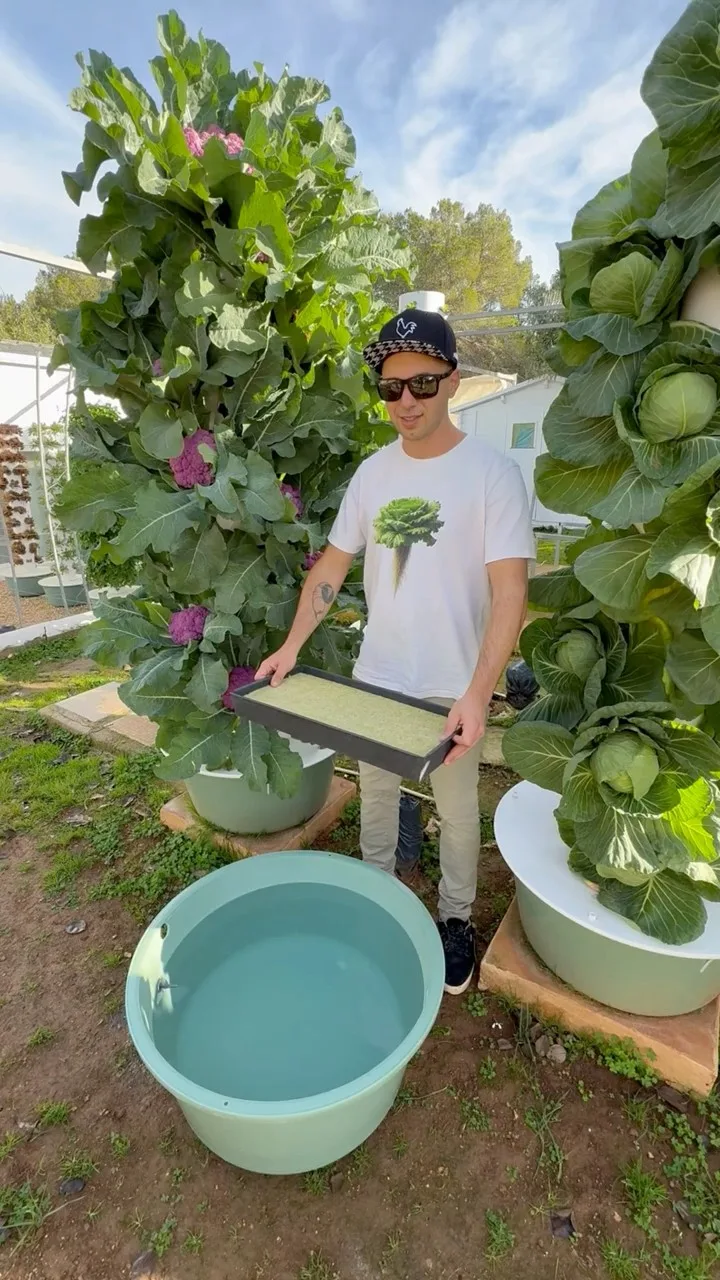
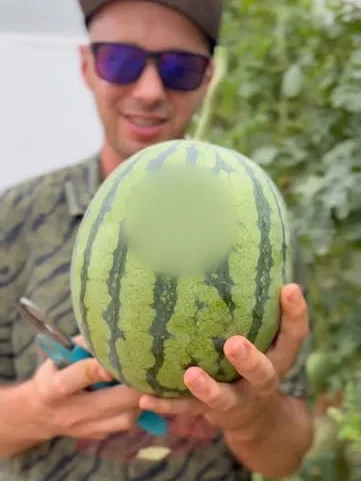
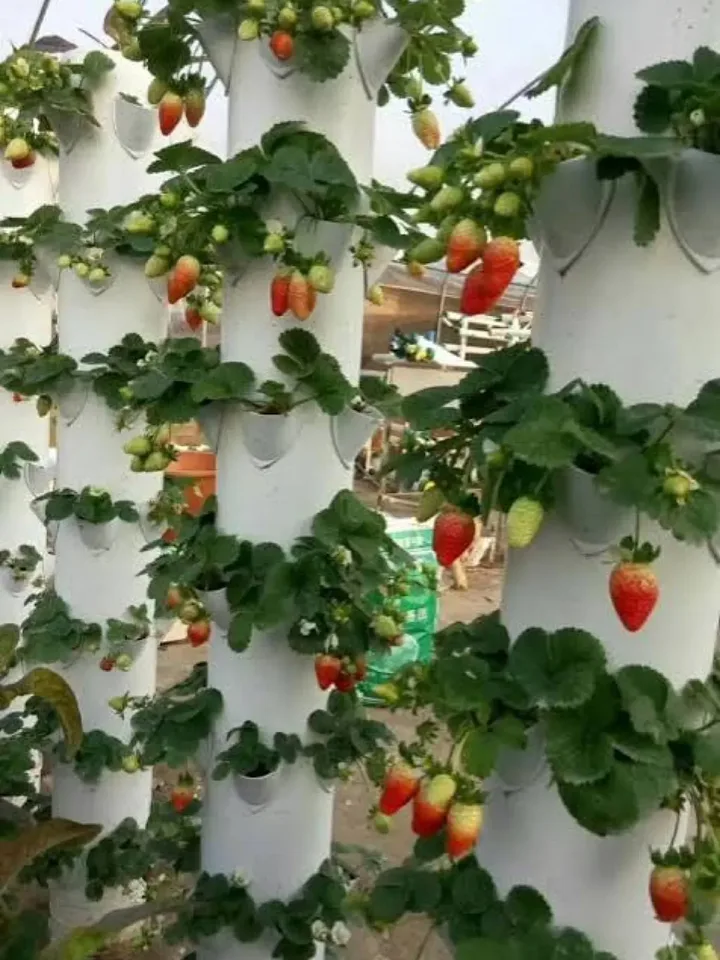
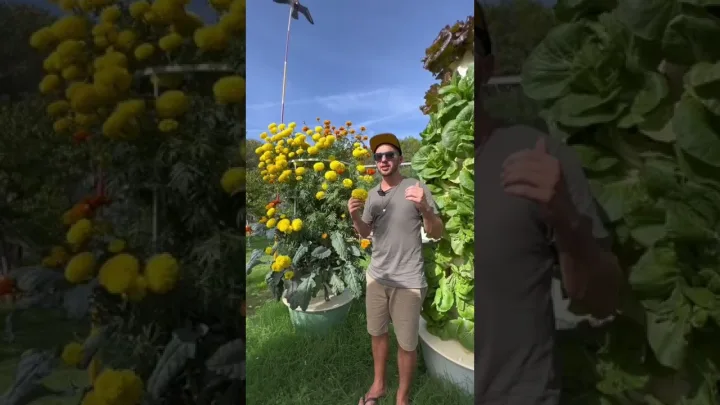
Performance figures on this page are published by Agrotonomy Corp. at agrotonomy.com and are reproduced as stated by the manufacturer.
The rest of the chain

Strategic Food
Freeze-dried vegetables, fruits, proteins, tomato paste, ready meals, emergency kits, strategic food, military and maritime food, remote operations, and government stockpiles.
Smart Planning Systems
Planning tools for stockpile design, nutrition optimization, logistics efficiency, crop planning, aid-kit customization, and emergency deployment.
Ready to build a more resilient food system?
Tell us the operating context — a reserve, a kitchen, a fleet, a programme — and we will map it against the three pillars.